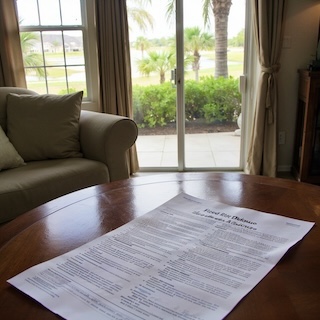
Starting October 1, 2024, Florida home sellers are now legally required to disclose flood risks to prospective buyers. This requirement, outlined in Florida Statute Section 689.302, mandates that sellers complete and provide a flood disclosure to the buyer at or before the sales contract is signed. This disclosure helps ensure buyers have a full understanding of any potential flood risks and the property’s history regarding flood-related claims or assistance.
Key Elements Of The New Flood Disclosure Requirement
The purpose of this statute is to promote transparency regarding flood risks, allowing buyers to make informed decisions about flood insurance and risk management. The disclosure must contain several essential details, presented in a specific format.
Essential Components Of The Disclosure
Here’s what the new flood disclosure entails:
- Flood Insurance Information: Sellers must inform buyers that standard homeowners’ insurance does not cover flood damage. The seller is encouraged to advise the buyer to discuss flood insurance options with their insurance agent to determine if additional coverage is necessary.
- Flood Damage Claims: The disclosure form also includes a statement on any flood-related insurance claims filed by the seller. The seller needs to specify whether they:
- Have filed any claims for flood damage with an insurance provider, including claims through the National Flood Insurance Program (NFIP).
- Have not filed such claims.
- Federal Flood Assistance: Sellers must disclose if they have received federal assistance for flood damage, such as through Federal Emergency Management Agency (FEMA). This disclosure helps buyers understand any past flood damage and federal aid the property has received.
- Defining “Flooding”: The statute provides a detailed definition of “flooding” that includes:
- Overflow of inland or tidal waters.
- Rapid accumulation of runoff or surface waters from an established water source (like rivers, streams, or drainage ditches).
- Prolonged standing water due to rainfall.
This specific definition clarifies the types of flooding scenarios the property could be exposed to, offering buyers a more comprehensive understanding.
What This Means For Sellers
If you’re considering selling residential property in Florida, it’s important to follow this disclosure requirement. Failure to provide this information at or before signing the sales contract may result in legal issues and could affect the transaction. Noncompliance with this law could expose a seller to potential liability if a buyer later experiences undisclosed flood issues.
**Shipp Tip- Include the Flood Disclosure as a part of the purchase and sale agreement, by checking the Other Box and writing in Flood Disclosure under Section 20, which is titled Addenda.
Why This Disclosure Matters For Buyers
For prospective buyers, this disclosure serves as a vital safeguard. It reveals any previous flood damage claims or federal aid received, providing insight into the property’s flood risk history. Additionally, it stresses the importance of considering separate flood insurance if the property is in a flood-prone area, allowing buyers to be well-prepared for any future flooding.
The Closing Argument
The new flood disclosure requirement is a significant move toward greater transparency in Florida’s real estate market. For sellers, providing this information upfront helps avoid legal complications and fosters trust with buyers. If you’re unsure about completing this flood disclosure or have questions about your responsibilities under Florida Statute Section 689.302, our office can help.
Ryan S. Shipp, Esquire, and the team at Law Office of Ryan S. Shipp, PLLC, are here to answer your questions regarding flood disclosures and compliance with Florida’s real estate laws. Contact us today @ 561.699.0399 for guidance to ensure a smooth, compliant transaction.
Want to learn more about our in-house, attorney owned, family operated title company, Clear2Close Title & Escrow, LLC? Call us today @ 561.600.0448.

Related Posts

Why Hiring A Real Estate Attorney In Florida Is A Smart Move
Hey everyone, Ryan Shipp here, your Florida real estate attorney. If you’re buying or selling real estate in Florida, you might be wondering—do I really need an attorney?…

Title Insurance In Florida: What Buyers And Sellers Need To Know
What Is Title Insurance And Why Does It Matter? When purchasing real estate in Florida, buyers often focus on location, price, and mortgage rates—but title insurance is an…

Escrow Deposit Disputes in Florida: What Buyers and Sellers Need to Know
By Ryan S. Shipp, Esquire – Florida Real Estate Attorney 561.699.0399 | Shipplawoffice.com When buying or selling real estate in Florida, understanding escrow deposit disputes is crucial. Whether…

Understanding Real Estate Contract Contingencies in Florida: Protecting Your Investment
Florida Real Estate Attorney Ryan S. Shipp here! If you’re buying or selling real estate in Florida, understanding contingencies in your real estate purchase and sales contract is…

Top 5 Things Every Property Manager In Florida Needs To Know For Smoother Tenant Relationships
Managing rental properties in Florida can be challenging, especially with all the rules and regulations that come with it. From understanding Florida’s landlord-tenant laws to dealing with maintenance…

For Sale By Owner (FSBO): How A Florida Real Estate Attorney Can Make Selling A Breeze
Selling a property on your own—also known as For Sale By Owner (FSBO)—is an attractive option for people who want to save on real estate agent commissions and…